

Beyond the Pinterest Board: Finding the Right Dining Table for Your Real-Life Dining Space
The journey to finding the perfect centerpiece often begins with a digital search for the ideal dining table, but it often ends with a more complex realization: a home is a living, breathing ecosystem. While it is easy to fall in love with a beautifully styled table on a high-resolution screen, the transition from a “curated image” to a “functional reality” requires an understanding of spatial balance and proportion.
Whether you are planning a table for festive holiday gatherings or looking for a simple piece that supports everyday routines, the right choice can shape the architectural rhythm of your home. In an era where “aesthetic” often overshadows practicality, this guide helps bridge the gap—showing how to choose a solid wood dining table that fits your layout while elevating your interior design.
How a Dining Table Defines the Rhythm of Your Home
A dining table is more than just a surface; it is the gravitational center of the household. In contemporary open-concept living, the boundaries between the kitchen, workspace, and social lounge have increasingly blurred. As a result, the dining room table you choose becomes a visual anchor that helps connect and organize these different zones within the home. When selected thoughtfully, it does more than serve meals—it subtly shapes the natural flow of everyday life.
A well-designed table with clean lines and a balanced profile can bring a sense of visual lightness to the room, making even compact spaces feel intentional and inviting. At the same time, lifestyle compatibility remains essential. If your home is a hub of constant activity, a wooden dining table with a durable, tactile finish will likely perform far better than a delicate high-gloss alternative. By thinking of the dining table as a functional foundation rather than simply a decorative piece, you create a space that feels comfortable, practical, and naturally connected to the rhythm of daily life.
Calculating Clearance for Your Dining Room Table
One of the most common mistakes in interior design is overlooking the dynamic footprint of a dining table. A table may technically fit the room on paper, but if you cannot comfortably pull out a chair or move around it with ease, the layout quickly becomes impractical. Creating a comfortable dining area requires paying close attention to the amount of clearance surrounding the table as well as choosing the right dining table size for your space.

Ideally, you should leave between 36 and 48 inches of space between the edge of the dining table and the nearest wall or obstruction. This distance allows guests to move freely behind seated chairs and supports a smooth traffic flow throughout the room. Round tables often provide slightly more flexibility because their curved edges make circulation easier, while rectangular tables may require more careful planning depending on their dining table dimensions.
It is also important to consider details such as the rug-to-table proportion and the distance chairs travel when pulled back. Ignoring these factors is one of the main reasons dining areas can feel cramped, even when the furniture itself is well-designed and high quality.
Why a Solid Wood Dining Table is a Multigenerational Investment
In a culture increasingly defined by “fast furniture,” choosing a solid wood dining table represents a commitment to durability, sustainability, and long-term value. Unlike mass-produced pieces made with veneers or engineered materials, solid wood furniture offers structural strength that allows it to endure decades of everyday use.
Another defining quality of real wood is its ability to evolve over time. Surfaces can be sanded, refinished, and restored, allowing the table to adapt as your interior style changes. Rather than replacing furniture every few years, homeowners can refresh the same piece while preserving its character and craftsmanship. A natural wood dining table in particular develops a unique patina over the years, adding depth and personality to the living space.
From a long-term perspective, the cost-per-use of a well-made dining table often surpasses that of cheaper alternatives. Hardwoods such as oak, beech, pine, or walnut provide the density and stability needed to resist warping, cracking, and premature wear. Over time, these qualities transform the table from a simple household item into something more meaningful—an heirloom piece that quietly becomes part of a family's shared history and everyday rituals.

Blending Mid-Century and Farmhouse Dining Table Styles
One of the defining characteristics of modern interior design is the ability to blend influences from different design eras. It is increasingly common to see a mid-century dining table combined with rustic textures, or a farmhouse dining room table placed within a sleek and contemporary kitchen. When done thoughtfully, this mix of styles can create a dining area that feels both warm and visually balanced.
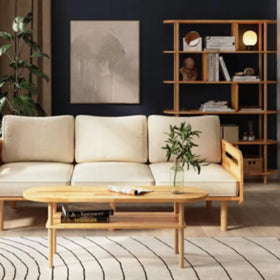
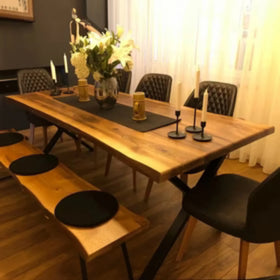
A mid-century modern dining table is typically recognized for its clean lines, tapered legs, and minimalist structure, making it ideal for apartments or smaller dining areas where visual lightness is important. In contrast, a rustic farmhouse dining table often features thicker wooden surfaces, visible grain patterns, and a more substantial presence that adds character and warmth to a room. For homeowners seeking a more distinctive statement, incorporating a live-edge dining table or an epoxy dining table can introduce organic textures or bold, modern accents, further enhancing the overall aesthetic.
For homeowners who appreciate both aesthetics, blending these styles can create a unique balance between modern simplicity and rustic charm. Pairing this style of table with contemporary lighting or surrounding a mid-century piece with natural textures and wood accents allows the space to feel layered, inviting, and timeless.

Choosing the Right Dining Table Shape: Rectangular, Square, Round, and Oval
When it comes to selecting a dining table, the shape and style can greatly influence both function and design. Rectangular dining tables are ideal for long or narrow rooms, maximizing seating and creating a natural axis that organizes the space. Many rectangular tables also feature extendable leaves, making them perfect for large gatherings.
Square dining tables work well in smaller spaces, offering a balanced, symmetrical seating arrangement for intimate meals. Round dining tables encourage conversation and interaction, as everyone can easily see each other, while their lack of corners adds safety and flexibility. Oval dining tables combine the spaciousness of rectangular tables with the soft curves of round tables, offering elegance without crowding the room.
Choosing the right table shape allows you to balance practicality with visual harmony, ensuring the dining area feels both functional and inviting. When made from solid wood, any of these table shapes provide durability while enhancing the rhythm and harmony of your dining space, ensuring your table becomes a long-term investment as well as a focal point in your home.
Picking the Best Wood for a Dining Table: Oak, Beech, Walnut, or Pine
The type of wood plays a crucial role in defining both the character and longevity of a solid wood dining table.
-
Oak Wood: Oak is renowned for its prominent grain and exceptional durability, making it ideal for high-traffic family homes. Its natural texture hides scratches well while providing a warm, timeless look.
-
Beech Wood: Beech wood offers a light, uniform appearance with subtle grain patterns. Its hardness and stability make it a versatile choice for both contemporary and traditional dining spaces.
-
Walnut Wood: Walnut tables feature deep, chocolate-toned hues and a fine, smooth grain, often chosen for homes with mid-century or refined design aesthetics.
-
Pine Wood: Pine is lighter in color and softer than other hardwoods, offering a rustic charm while remaining easy to work with. It’s perfect for casual dining areas or farmhouse-style interiors.
When selecting the best finish, consider the visual weight of the table and how it complements your room’s existing colors and lighting. Dark walnut can make a large room feel intimate and cozy, while lighter oak, beech, or pine wood tables can brighten smaller or north-facing rooms. Choosing the right type of solid wood ensures that your dining table is both durable and a centerpiece that enhances your home’s overall aesthetic.
Why a Dining Table Can Be a Sustainable Choice
As more consumers prioritize eco-friendly living, a solid wood dining table stands out as a responsible and long-lasting option—provided the timber is sourced sustainably. Unlike plastic or metal alternatives, a well-crafted wood table can actually help sequester carbon while offering decades of use.
Choosing FSC-certified or sustainably harvested wood supports a circular economy, where furniture is maintained, repaired, and passed down instead of discarded. A high-quality solid wood table can last 50 to 100 years, replacing the need for multiple lower-quality pieces made from engineered materials like MDF or particle board. Selecting a natural wood finish also contributes to a low-tox environment, as real timber does not off-gas the volatile chemicals often found in engineered products.
By considering both sustainability and durability, homeowners can make a dining table choice that is good for the planet and for generations of family life.

Finalizing Your Choice for a Dining Table
Choosing the right dining table is a balance of practicality and personal taste. By now, you’ve measured your space, considered traffic flow, and determined the style that suits your home. Whether you are drawn to the unique character of a live-edge dining table or prefer the classic elegance of a solid wood dining table, attention to craftsmanship is essential.
A high-quality dining room table should feel sturdy, stable, and perfectly level. For mid-century-inspired designs, check that the legs are securely attached; for farmhouse-style tables, look for thick, solid planks that showcase the timber’s natural history. Focusing on these details ensures that your dining table becomes more than just furniture—it becomes a centerpiece that anchors your home and can be enjoyed for generations.
New Collection


from Original price $955.00
from Original price $955.00
Original price
$955.00
from $796.00
from $796.00
Current price
$796.00
Soren Round Solid Walnut Wood Coffee Table | Sculptural Scandinavian Modern Design
In stock
Soren Round Solid Walnut Coffee Table – Sculptural Scandinavian Modern Design A Sculptural Walnut Coffee Table with Soft Architectural Curves The...
View full details

from Original price $1,084.00
from Original price $1,084.00
Original price
$1,084.00
from $1,012.00
from $1,012.00
Current price
$1,012.00
Arden Oval Solid Oak Wood Coffee Table | Sculptural Arched Modern Design
In stock
Arden Solid Oak Oval Coffee Table – Sculptural Arched Modern Design A Sculptural Oak Coffee Table with Soft Organic Curves The Arden Soli...
View full details

from Original price $1,265.00
from Original price $1,265.00
Original price
$1,265.00
from $1,156.00
from $1,156.00
Current price
$1,156.00
Soren Oval Walnut Coffee Table | Sculptural Scandinavian Modern Design
In stock
Soren Oval Solid Walnut Coffee Table – Sculptural Scandinavian Modern Design A Sculptural Walnut Coffee Table with Soft Oval Proportions ...
View full details

from Original price $996.00
from Original price $996.00
Original price
$996.00
from $796.00
from $796.00
Current price
$796.00
Soren Round Oak Coffee Table | Sculptural Scandinavian Modern Design
In stock
Soren Round Solid Oak Coffee Table – Sculptural Scandinavian Modern Design A Sculptural Oak Coffee Table with Soft Architectural Curves The Soren...
View full details

from Original price $2,243.00
from Original price $2,243.00
Original price
$2,243.00
from $1,795.00
from $1,795.00
Current price
$1,795.00
Avero Round Walnut Dining Table | Sculptural Pedestal Design
In stock
Avero Round Solid Walnut Dining Table – Sculptural Pedestal Modern Design A Sculptural Walnut Dining Table with a Distinctive Central Pedestal Th...
View full details