

Solid Wood vs Veneer Furniture: What Buyers Should Know Before Buying
When shopping for wood furniture online, many products can look similar at first glance. A dining table, coffee table, bookcase, or TV stand may be described as “wood,” but that does not always mean it is made from solid wood. In many cases, the surface may be wood veneer, engineered wood, MDF, or particle board with a wood-like finish.
This does not mean one material is always good and the other is always bad. Solid wood and veneer furniture can both have a place in the home. The important thing is understanding what you are buying, how the furniture is built, how long it may last, and whether it fits your lifestyle.
If you want furniture that feels natural, long-lasting, and repairable, knowing the difference between solid wood and veneer is one of the most important steps before making a purchase.
What Is Solid Wood Furniture?
Solid wood furniture is made from real pieces of wood throughout the structure. Depending on the design, the furniture may be crafted from walnut, oak, pine, beech, ash, maple, chestnut, or another natural wood species.
In a solid wood table, for example, the tabletop is made from real wood rather than a thin decorative layer over another material. In a solid wood bookcase, the shelves and frame are usually made from wood boards that carry natural grain, texture, and character.
One of the biggest advantages of solid wood is that every piece is naturally unique. Grain patterns, knots, color variations, and subtle texture changes are part of the material itself. This is why solid wood furniture often feels warmer and more personal than mass-produced alternatives.
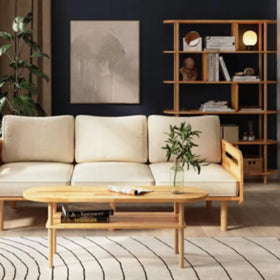
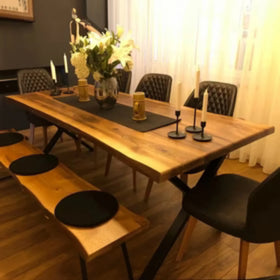
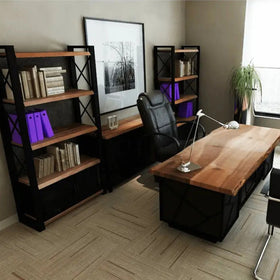
Solid wood is commonly used for dining tables, coffee tables, TV stands, bookcases, desks, benches, and other furniture pieces that are expected to handle everyday use.

What Is Veneer Furniture?
Veneer furniture uses a thin layer of real wood applied over a different core material. That core may be plywood, MDF, particle board, or another engineered material.
Because the top layer is real wood, veneer furniture can still look attractive. In fact, some high-quality veneer furniture is very well designed and can create a clean, consistent appearance. Veneer can also help reduce cost and weight, especially in large furniture pieces.
The key difference is thickness and repairability. Veneer is only a thin surface layer. If it gets deeply scratched, chipped, or sanded too much, the core material underneath may become visible. This makes heavy repairs more difficult compared with solid wood.
Veneer is not automatically a bad choice. The issue is when buyers think they are buying solid wood, but the product is actually veneer or engineered wood. Clear material information matters.
Solid Wood vs Veneer: Main Differences
The biggest difference is structure. Solid wood is real wood throughout the piece or main parts of the piece. Veneer is a thin wood layer placed over another material.
Solid wood usually feels heavier, more natural, and more durable for long-term use. It can often be sanded, refinished, repaired, or restored if the surface gets worn over time.
Veneer furniture is often more affordable and can look very clean, but it is usually less forgiving when damaged. If the veneer surface peels, chips, bubbles, or gets scratched through, repair may be more complicated.
For buyers who want furniture for many years, solid wood is often the stronger long-term choice. For buyers who want a lower price, lighter weight, or a very smooth modern surface, veneer may still be practical.

Which One Lasts Longer?
In most cases, well-made solid wood furniture lasts longer than veneer furniture. A solid wood dining table, coffee table, or bookcase can often be used for decades with proper care.
The reason is not only the material itself. It is also the ability to repair and refresh it. If a solid wood surface becomes scratched, dull, or worn, it can often be lightly sanded and refinished. This gives the furniture a longer usable life.
Veneer furniture can also last if it is made well and cared for properly. However, because the surface layer is thin, there is less room for deep repair. Water damage, peeling edges, and deep scratches can be harder to fix.
That said, material is only one part of quality. A poorly built solid wood table may still disappoint, while a well-built veneer cabinet may work well for many years. Construction, joinery, finish, and daily use all matter.
Which One Is More Expensive?
Solid wood furniture is usually more expensive than veneer furniture. This is because it uses more real wood, often requires stronger construction, and usually takes more time to produce.
The type of wood also affects price. Walnut and oak are usually more expensive than pine. Larger pieces, thicker tabletops, custom sizes, and handmade production can also increase the cost.
Veneer furniture is often more budget-friendly because it uses only a thin layer of wood over a less expensive core. This makes it a common choice for mass-produced furniture.
If you are buying furniture for temporary use, veneer or engineered wood may be enough. But if you want a piece that can stay in your home for years, solid wood can offer better long-term value.

How to Tell If Furniture Is Solid Wood or Veneer
The first place to check is the product description. A trustworthy seller should clearly explain the material. Look for specific phrases such as:
-
Solid walnut wood
-
Solid oak wood
-
Solid pine wood
-
100% solid wood
-
Solid wood tabletop
-
Solid wood shelves
Be more careful with vague wording such as:
-
Wood finish
-
Wood look
-
Walnut color
-
Oak effect
-
Engineered wood
-
Wood veneer
-
MDF with wood finish
These phrases may describe the appearance rather than the actual material.
You can also check the edges and underside if photos are available. Solid wood usually shows continuous grain through the edge. Veneer may show a thin surface layer over a different core. Close-up photos, underside photos, and material details are very helpful when buying online.
Why Solid Wood Is Often Preferred
Solid wood furniture is often preferred because it feels natural, strong, and long-lasting. It brings warmth into a room without needing much decoration. The grain and texture of real wood add visual interest in a quiet, timeless way.
Another major benefit is repairability. Solid wood can often be restored instead of replaced. Small scratches, worn areas, and dull surfaces can usually be improved with proper care or refinishing.
Solid wood also works with many interior styles. A walnut coffee table can feel mid-century modern or warm minimalist. A pine bookcase can feel rustic, farmhouse, or Scandinavian. An oak dining table can fit classic, modern, Japandi, or transitional interiors.
For buyers who value natural materials, long-term use, and timeless design, solid wood furniture is often worth the higher upfront cost.

When Veneer Furniture Can Still Make Sense
Veneer furniture can make sense in certain situations. It may be a good choice if you want a more affordable piece, a lighter structure, or a very clean and consistent surface.
Veneer can also be useful for large panels, modern cabinets, and furniture designs where solid wood movement could be a concern. Since wood naturally expands and contracts with humidity, some veneer constructions can provide stability in specific applications.
The most important thing is honesty. Veneer is not a problem when the seller clearly explains it. The problem is when veneer furniture is marketed in a way that makes buyers believe they are purchasing solid wood.
What About MDF and Particle Board?
MDF and particle board are engineered materials made from wood fibers, particles, resin, and compressed components. They are common in affordable furniture.
These materials can work for budget-friendly or temporary furniture, but they usually do not have the same strength, repairability, or long-term durability as solid wood. They can also be more vulnerable to moisture, swelling, edge damage, and heavy daily use.
For furniture that carries weight, gets used every day, or is expected to last for years, solid wood is usually a stronger option.
What Should Buyers Check Before Ordering Online?
Before buying wood furniture online, check more than just the photos. Product images can show style, but they do not always show quality.
Look carefully at:
-
Actual material information
-
Wood type
-
Dimensions
-
Tabletop or shelf thickness
-
Finish type
-
Construction details
-
Assembly method
-
Care instructions
-
Shipping and return details
-
Custom size or finish options
For example, when choosing solid wood dining tables, coffee tables, bookcases, or TV stands, the material and construction should be clearly explained. A good product page should help you understand what the piece is made from, how it is finished, and how it should be used in daily life.

Which One Should You Choose?
Choose solid wood if you want furniture that is natural, durable, repairable, and long-lasting. It is usually the better choice for dining tables, coffee tables, bookcases, desks, benches, and other pieces used frequently.
Choose veneer if you want a more affordable option, a lighter piece, or a very smooth decorative surface. Veneer can work well when it is made properly and clearly described.
The best choice depends on your budget, lifestyle, and expectations. If you want furniture that can age with your home and be repaired over time, solid wood is usually the stronger investment.
Explore Solid Wood Furniture for Your Home
At Tomruque, we focus on handcrafted solid wood furniture made for warm, natural, and timeless interiors. Our collections include solid wood dining tables, coffee tables, TV stands, bookcases, and custom furniture pieces designed for everyday living.
Explore our collections:
Each piece is made with attention to material quality, proportion, finish, and long-term use.
Final Thoughts
Solid wood and veneer furniture can both look beautiful, but they are not the same. Solid wood is usually stronger, more repairable, and better for long-term value. Veneer is often more affordable and can still be attractive when used honestly and well.
Before buying wood furniture, always check the material, construction, finish, and care details. A good furniture piece should not only look beautiful in photos. It should fit your home, support daily life, and age in a way that still feels natural and useful.
Stay in touch
Instagram: @tomruque
Pinterest: Tomruque
Facebook: Tomruque
YouTube: Tomruque
For custom furniture, size requests, material questions, or collaboration inquiries:
Email: info@tomruque.com
New Collection


from Original price $660.00
from Original price $660.00
Original price
$660.00
from $550.00
from $550.00
Current price
$550.00
Soren Round Solid Walnut Wood Coffee Table | Sculptural Scandinavian Modern Design
In stock
Soren Round Solid Walnut Coffee Table – Sculptural Scandinavian Modern Design A Sculptural Walnut Coffee Table with Soft Architectural Curves The...
View full details

from Original price $748.75
from Original price $748.75
Original price
$748.75
from $699.00
from $699.00
Current price
$699.00
Arden Oval Solid Oak Wood Coffee Table | Sculptural Arched Modern Design
In stock
Arden Solid Oak Oval Coffee Table – Sculptural Arched Modern Design A Sculptural Oak Coffee Table with Soft Organic Curves The Arden Soli...
View full details

from Original price $873.99
from Original price $873.99
Original price
$873.99
from $799.00
from $799.00
Current price
$799.00
Soren Oval Walnut Coffee Table | Sculptural Scandinavian Modern Design
In stock
Soren Oval Solid Walnut Coffee Table – Sculptural Scandinavian Modern Design A Sculptural Walnut Coffee Table with Soft Oval Proportions ...
View full details

from Original price $687.99
from Original price $687.99
Original price
$687.99
from $550.00
from $550.00
Current price
$550.00
Soren Round Oak Coffee Table | Sculptural Scandinavian Modern Design
In stock
Soren Round Solid Oak Coffee Table – Sculptural Scandinavian Modern Design A Sculptural Oak Coffee Table with Soft Architectural Curves The Soren...
View full details

from Original price $1,550.00
from Original price $1,550.00
Original price
$1,550.00
from $1,240.00
from $1,240.00
Current price
$1,240.00
Avero Round Walnut Dining Table | Sculptural Pedestal Design
In stock
Avero Round Solid Walnut Dining Table – Sculptural Pedestal Modern Design A Sculptural Walnut Dining Table with a Distinctive Central Pedestal Th...
View full details